24/7 Emergency HVAC in Indianapolis: What to Do Before the Technician Arrives
When your HVAC system fails during a January freeze or an August heat wave in Indianapolis, IN, knowing what to do before help arrives can protect your home and family. This guide covers how to spot a true HVAC emergency, the immediate safety steps to take, what to have ready before you call for 24/7 emergency HVAC service in Indianapolis, IN, and what to expect once a technician is on the way.
How to Tell if Your HVAC Problem Is a True Emergency
A real HVAC emergency is any failure that puts your safety or health at risk right now. Indianapolis, IN, swings from below-zero wind chills in winter to heat index values above 100°F in summer. In those extremes, a complete system failure can become dangerous within hours, particularly for young children, elderly residents, and anyone with a medical condition.
Watch for these warning signs:
- No heat when outdoor temperatures are at or near freezing.
- No cooling during an active heat advisory or extreme heat warning.
- A strong smell of gas or burning near your unit.
- Visible sparks, smoke, or scorch marks on or near the system.
- Your carbon monoxide detector is alarming.
- Sudden grinding, banging, or screeching sounds from the unit.
Many of Indianapolis's older neighborhoods, including Broad Ripple, Fountain Square, and Irvington, have aging HVAC equipment more prone to abrupt failures. Residents in these areas especially benefit from identifying a provider of 24/7 emergency HVAC service in Indianapolis, IN, before a crisis occurs.
What Should I Do Immediately When My HVAC System Fails?
Step 1: Check for Gas or Carbon Monoxide
If you smell gas, do not touch any switches. Leave the home immediately and call your gas utility from outside. CenterPoint Energy has an emergency line for Indiana residents. If your CO detector is alarming, evacuate everyone, including pets, and call 911 before calling an HVAC company.
Step 2: Shut the System Off
Turn your thermostat to "Off." If the unit is making grinding noises or burning smells, also flip the HVAC circuit breaker to Off. This can prevent motor or electrical damage from worsening before the technician arrives.
Step 3: Ventilate If Safe
If there is no gas smell and outdoor temperatures are tolerable, open windows briefly. During a summer emergency, this helps release trapped heat. Skip this step if outdoor conditions are extreme.
Step 4: Protect Vulnerable Household Members
Move infants, elderly family members, or anyone with respiratory conditions to the most stable room. In winter, interior rooms hold heat longer. In summer, a basement is often the coolest area.
Step 5: Check Basic Fixes First
Confirm your thermostat has power, your air filter is not completely blocked, and your circuit breaker has not tripped. A tripped breaker is a common culprit and takes seconds to rule out. This information will also help the dispatcher when you call for emergency HVAC service.
When Should I Call 911 Instead of an HVAC Company?
Call 911 first if your carbon monoxide detector sounds, if you smell gas, or if anyone is experiencing dizziness, nausea, or difficulty breathing. Once emergency services confirm the home is safe, then call for HVAC repair.
What Information Should I Have Ready Before I Call?
Having the right details on hand speeds up dispatch. Before you call for 24/7 emergency HVAC service in Indianapolis, IN, note the following:
- Your full address, including any unit or apartment number.
- The type of system you have (furnace, heat pump, central AC, boiler).
- Your equipment's brand and model number, found on a label inside the cabinet door.
- A clear description of what the system is doing or not doing.
- How long the problem has been occurring.
- Any unusual smells, sounds, or error codes.
Technicians serving Indianapolis, IN, can often pre-diagnose the likely issue and arrive with the right parts when callers provide this detail up front.
What to Expect From a 24/7 Indianapolis HVAC Technician
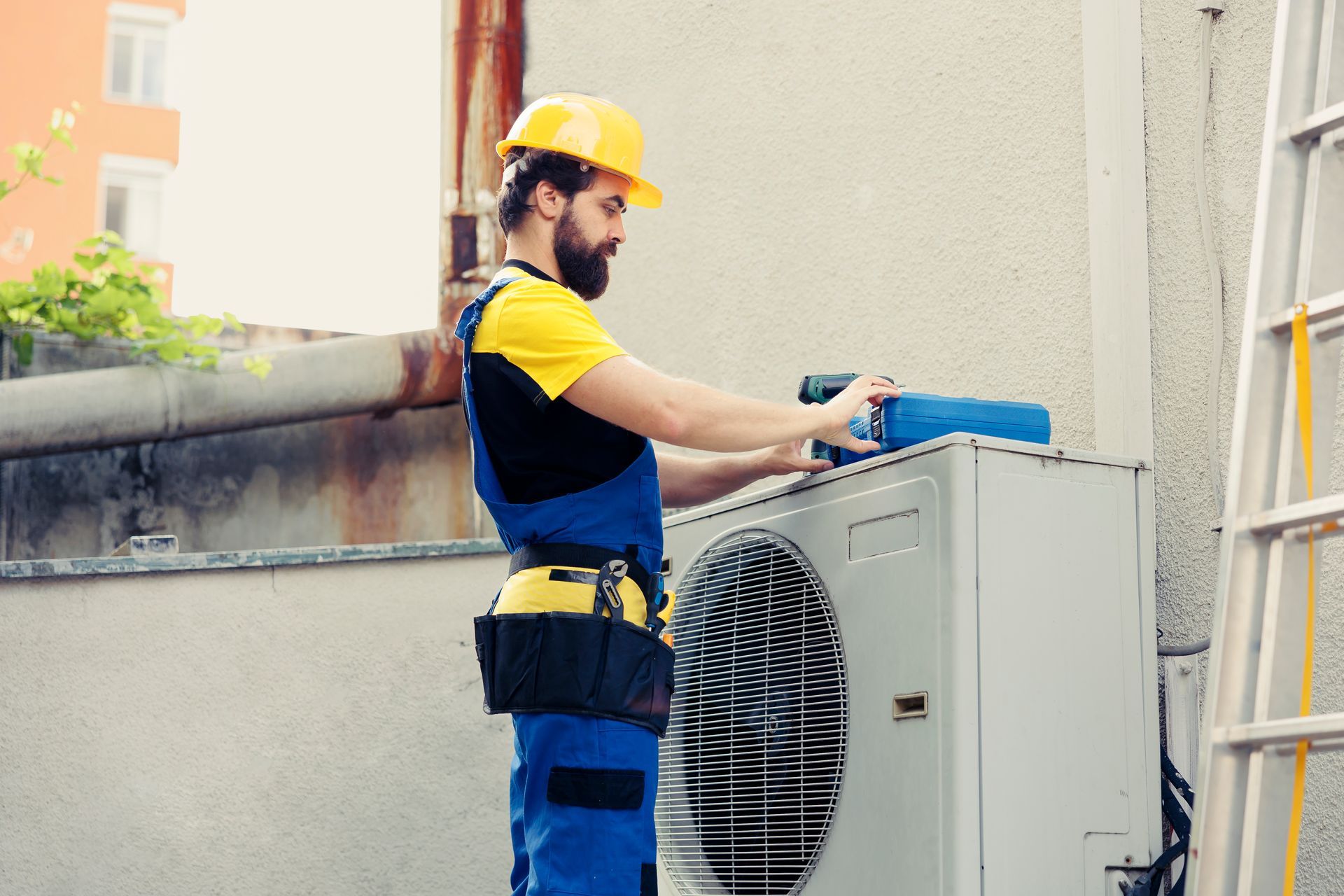
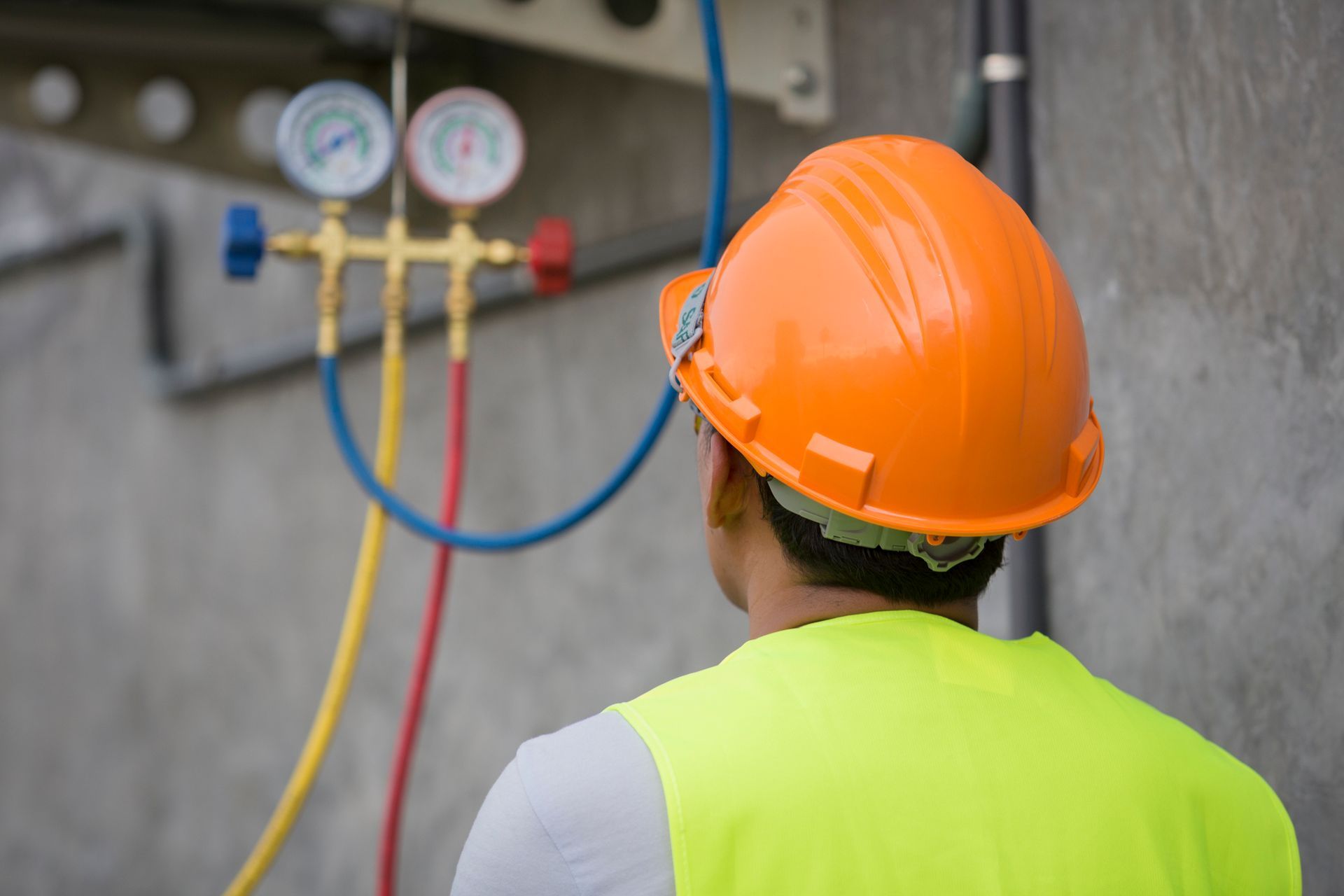
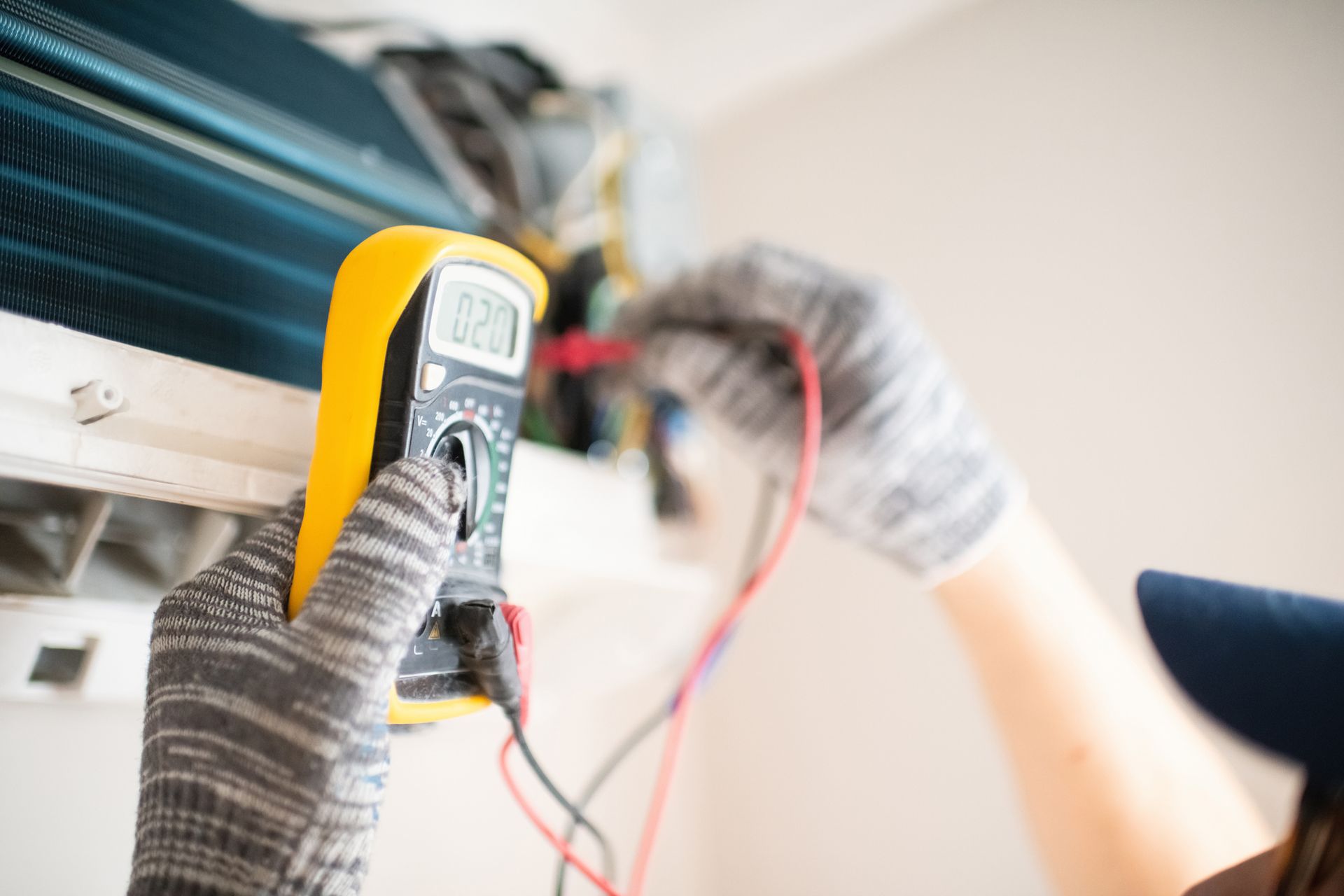
When you call for 24/7 emergency HVAC repair in Indianapolis, the dispatcher will confirm your address, ask about your symptoms, and provide an estimated arrival window. Technicians carry diagnostic tools and common replacement parts for furnaces, air handlers, and condensing units. Upon arrival, the technician will inspect the system, explain the diagnosis in plain language, and outline the repair needed before beginning any work.
Simple Steps to Reduce Future Emergencies
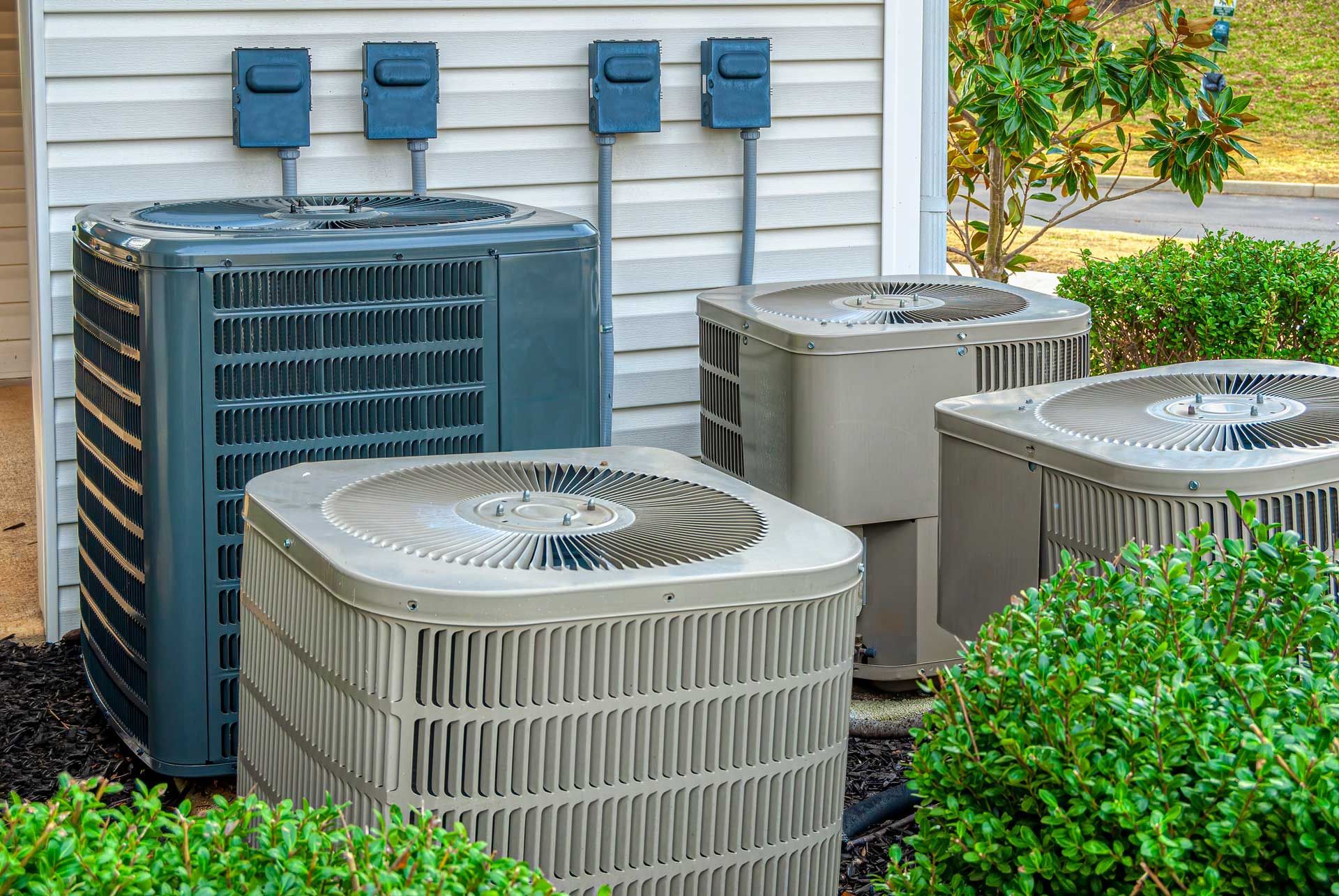
Many urgent breakdowns are preventable. Indianapolis homeowners can reduce the risk of a midnight failure by scheduling seasonal maintenance each spring and fall, replacing air filters every one to three months, and keeping outdoor units clear of debris. Indiana's spring storm season can deposit leaves into condensing units, restricting airflow and straining the compressor over time. Reviewing your HVAC repair and maintenance options before an emergency strikes puts you in a stronger position when the unexpected happens.
Get Trusted Help Around the Clock in Indianapolis
Being prepared before the technician arrives makes a real difference in your safety and your system's outcome.
Preferred Mechanical Services has served residential and commercial customers in Indianapolis, IN, and the surrounding area since 2000. As a trusted provider of 24/7 emergency HVAC service in Indianapolis, IN, we are ready to respond any time conditions demand it. Call
(317) 924-4042 any time, day or night, for fast, professional emergency HVAC response.